How to prepare for the ‘DHT’ test: rules for taking it
Dihydrotestosterone (DHT) is the most potent natural androgen in humans. It is measured less often than testosterone, and that is precisely why there is much misunderstanding around the test: not all laboratories measure DHT well, and the result strongly depends on drugs that affect 5-alpha-reductase. The editorial team explains when this test makes sense and how to prepare for it.
What DHT is and when it is measured
DHT is formed from testosterone under the action of the enzyme 5-alpha-reductase. There are two main isoenzymes: type 1 (mainly in the skin, liver) and type 2 (prostate, hair follicles, genitals). DHT binds to androgen receptors more strongly than testosterone and is not aromatized into estradiol.
The hormone plays a key role in the intrauterine formation of male genitalia, the development of the prostate, and the growth of facial and body hair. In adulthood, DHT is associated with benign prostatic hyperplasia, androgenetic alopecia and acne.
Clinically, a DHT test is ordered infrequently. It is useful when a type 2 5-alpha-reductase deficiency is suspected (in children with disorders of sexual development, where the testosterone/DHT ratio is assessed), when examining for hirsutism in certain cases, for research purposes and for monitoring therapy with 5-alpha-reductase inhibitors.
The review by Swerdloff and colleagues (2017) in Endocrine Reviews examines the biochemistry, physiology and clinical significance of DHT, in particular its elevated level, and emphasises the limitations of the available measurement methods.
The test method: why it is critical
The concentration of DHT in serum is much lower than that of testosterone, and the molecules are very similar. For immunoassay this is a problem: antibodies may cross-react with testosterone and other steroids, overestimating the result.
That is why liquid chromatography with tandem mass spectrometry (LC-MS/MS) is especially important for DHT. The editorial position of the Journal of Clinical Endocrinology and Metabolism (Handelsman, Wartofsky, 2013) required the use of mass spectrometry for sex steroids in the journal's publications — precisely because of the limitations of immunoassays at low concentrations.
| Method | Advantages | Limitations |
|---|---|---|
| LC-MS/MS | High specificity, separation of similar steroids | Not available in all laboratories, higher cost |
| Immunoassay with prior extraction | More accessible | Accuracy depends on the quality of extraction and antibodies |
| Direct immunoassay | Fast and cheap | Risk of cross-reaction with testosterone |
Before taking the test, check with the laboratory which method is used to measure DHT and which reference intervals are used. For monitoring over time it is important to stay with the same laboratory using the same method.
The Endocrine Society position statement on testosterone measurement (Rosner et al., 2007) describes similar problems for androgens in general: in the range of low concentrations, immunoassays lose accuracy.

Preparation rules
DHT is formed from testosterone, so its level partly follows the fluctuations of testosterone. For comparability of results, the test is taken by the same rules as testosterone — in the morning and fasting.
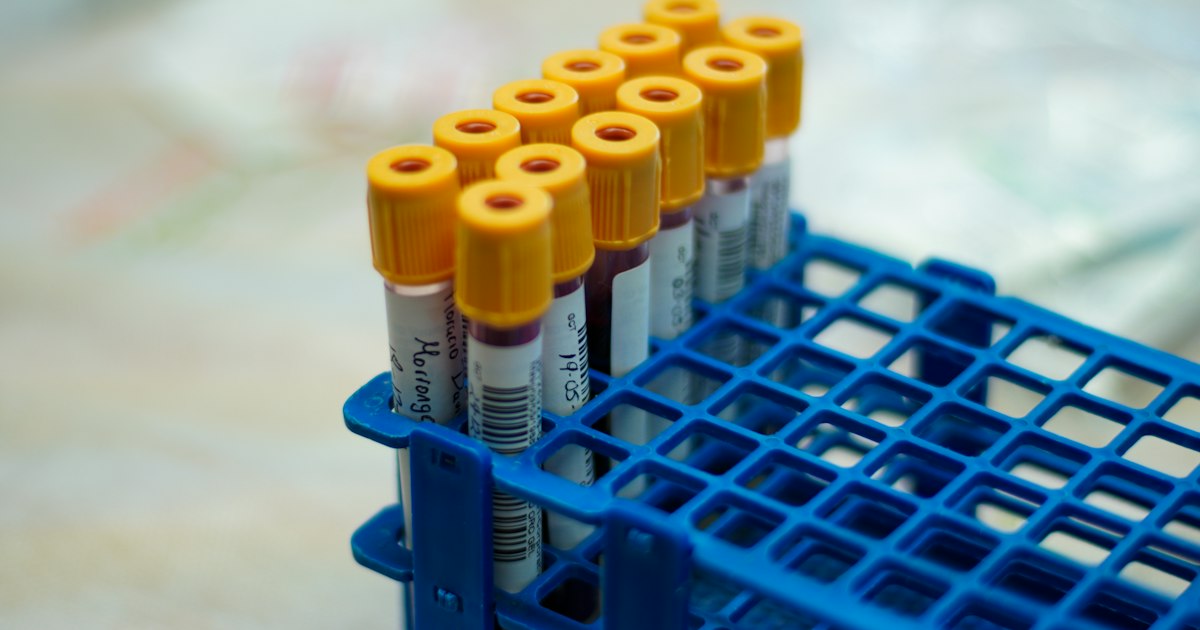
- morning draw, roughly before 10:00–11:00, at a stable time for repeat tests;
- 8–12 hours without food, only water;
- normal sleep the night before, without intense training or alcohol;
- do not take it during an acute illness;
- have it done together with total testosterone in order to assess the ratio;
- inform the doctor about all medications, topical agents, hormones and biotin.
It is advisable to measure DHT and testosterone from the same sample. The testosterone/DHT ratio is often more informative than the absolute DHT value, especially when a disorder of 5-alpha-reductase activity is suspected.
If the laboratory uses an immunoassay, biotin in high doses can potentially affect the result, about which the FDA has warned. Check with the laboratory whether a break in the intake of such supplements is needed.
For women prescribed DHT when being examined for hyperandrogenism, the doctor usually indicates the day of the cycle — most often the early follicular phase, together with other androgens.
Drugs that alter DHT
DHT is most strongly affected by 5-alpha-reductase inhibitors. According to the FDA prescribing information for finasteride (Proscar), the drug at a dose of 5 mg reduces serum DHT levels by approximately 70%. Dutasteride, which inhibits both isoenzymes, reduces DHT even more strongly — in the study by Clark and colleagues (2004) the reduction exceeded 90%.
These data are important for interpretation: if a person takes finasteride to treat the prostate or alopecia, a low DHT is an expected consequence of therapy, not a ‘problem’. At the same time, testosterone levels against a background of such drugs may rise slightly.
Testosterone drugs also affect DHT. The review by Swerdloff and colleagues (2017) notes that transdermal forms of testosterone (gels) are accompanied by a higher DHT/testosterone ratio than injectable ones, since the skin is rich in 5-alpha-reductase. Therefore the interpretation of DHT depends on the form of therapy.
Anabolic steroids, DHT derivatives, and other androgens can alter the result and suppress the body's own testosterone production, and some can cross-react in immunoassays. The doctor must know about the intake of any such substances.
You should not stop taking prescribed 5-alpha-reductase inhibitors on your own before the test: the decision on this is made by the doctor, taking into account the purpose of the examination.
Interpretation and common mistakes
The most common mistake is to take DHT without a clear clinical question, for example ‘because of hair loss’. Androgenetic alopecia is associated primarily with the sensitivity of the follicles to DHT, rather than with its level in the blood, so a normal serum DHT does not rule out this condition.
The second mistake is interpreting the result of a direct immunoassay without taking the method into account. Figures from different laboratories can differ substantially, and a ‘high’ DHT in one may turn out to be normal in another.
The third is ignoring units. DHT is expressed in pg/mL, ng/dL or nmol/L. Without taking into account the units and the laboratory's reference intervals, comparison is impossible.
The fourth is assessing DHT separately from testosterone. The ratio of these hormones, as well as the context of therapy, make it possible to obtain clinically significant information.
Editorial conclusions
DHT is a specialised test that makes sense for specific clinical indications. The most important conditions for a quality result are a reliable method (preferably LC-MS/MS), a morning fasting draw and measurement together with testosterone.
5-alpha-reductase inhibitors, testosterone forms, androgens and biotin alter the result, so the doctor must be informed about all drugs.
The interpretation of DHT belongs to an endocrinologist, urologist or dermatologist depending on the purpose of the examination.
The editorial team advises also reading our articles on preparing for the total testosterone, SHBG and estradiol tests.
References
- Swerdloff RS, Dudley RE, Page ST, Wang C, Salameh WA. Dihydrotestosterone: biochemistry, physiology, and clinical implications of elevated blood levels. Endocr Rev. 2017;38(3):220–254.
- Clark RV, Hermann DJ, Cunningham GR, et al. Marked suppression of dihydrotestosterone in men with benign prostatic hyperplasia by dutasteride, a dual 5alpha-reductase inhibitor. J Clin Endocrinol Metab. 2004;89(5):2179–2184.
- Handelsman DJ, Wartofsky L. Requirement for mass spectrometry sex steroid assays in the Journal of Clinical Endocrinology and Metabolism. J Clin Endocrinol Metab. 2013;98(10):3971–3973.
- Rosner W, Auchus RJ, Azziz R, et al. Position statement: utility, limitations, and pitfalls in measuring testosterone: an Endocrine Society position statement. J Clin Endocrinol Metab. 2007;92(2):405–413.
- Merck Sharp & Dohme. PROSCAR (finasteride) tablets: prescribing information. U.S. Food and Drug Administration.
- U.S. Food and Drug Administration. The FDA warns that biotin may interfere with lab tests: FDA safety communication. 2017.
Andriy Melnyk
A strength-sports coach and author of programs for beginner and intermediate levels. Writes about training planning.